
Life Hints on Mars, Starlink Expansion, and a Celestial Show
Space Weekly - This Week in Space

Welcome to Space Weekly, a briefing on the week's most significant space developments. Designed for enthusiasts, professionals, and curious minds, in an effort to deliver concise, credible updates on launches, exploration, discoveries, and trends.
NASA’s Perseverance Rover Uncovers Potential Signs of Ancient Life on Mars
NASA announced a discovery from the Perseverance Mars rover, which analyzed a rock sample, "Cheyava Falls," from Jezero Crater. The sample contains organic compounds, evidence of past water, and chemical signatures suggesting ancient microbial life. This finding, shared on September 10, marks a major step in the search for extraterrestrial life, with samples earmarked for future Earth analysis.
SpaceX Launches Tranche 1 Transport Layer Satellites for U.S. Military
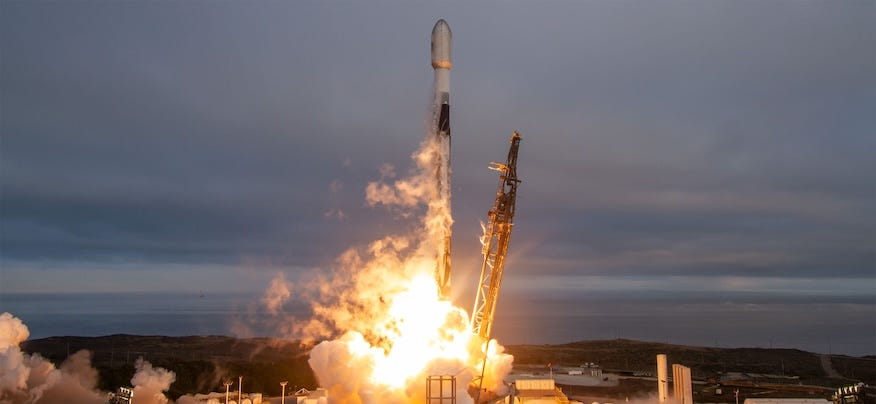
On September 10, a SpaceX Falcon 9 launched from Vandenberg Space Force Base, California, deploying 21 satellites for the U.S. Space Development Agency’s Tranche 1 Transport Layer B. This mission initiates a secure, low-Earth orbit military communications network, enhancing global data relay. The reusable booster landed on a droneship.
Russian Progress MS-32 Delivers Cargo to ISS
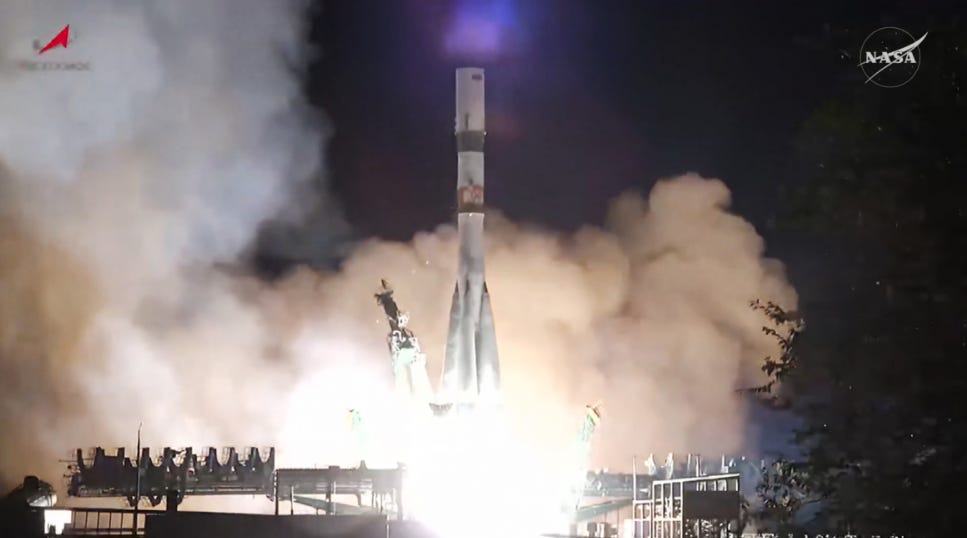
On September 11, Russia’s Soyuz 2.1a rocket launched the Progress MS-32 cargo spacecraft from Baikonur Cosmodrome, Kazakhstan. It docked with the International Space Station (ISS) on September 13 at 1:27 pm ET, delivering 2.8 tons of food, fuel, and experiments, supporting Expedition 73’s ongoing operations and international collaboration.
Russian Soyuz 2.1b Bolsters Glonass Navigation System
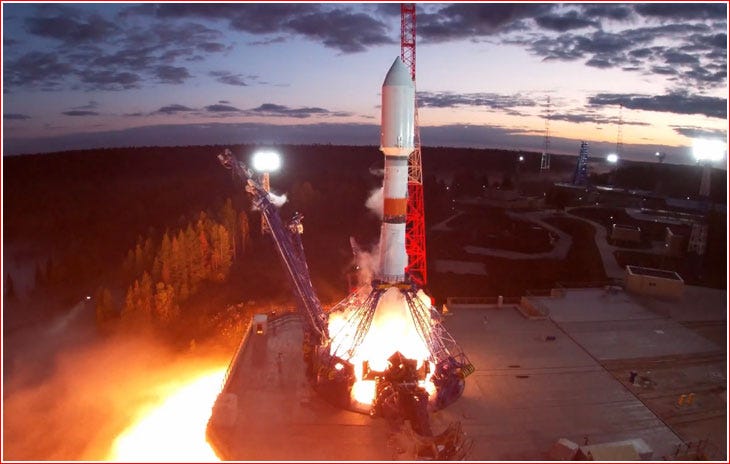
On September 13, a Soyuz 2.1b rocket from Plesetsk Cosmodrome, Russia, successfully deployed the Glonass-K1 No. 18 satellite into medium-Earth orbit. This addition enhances Russia’s global navigation system, improving accuracy for civilian and military applications, and underscores efforts to modernize its space infrastructure.
Total Lunar Eclipse Wows Global Skywatchers
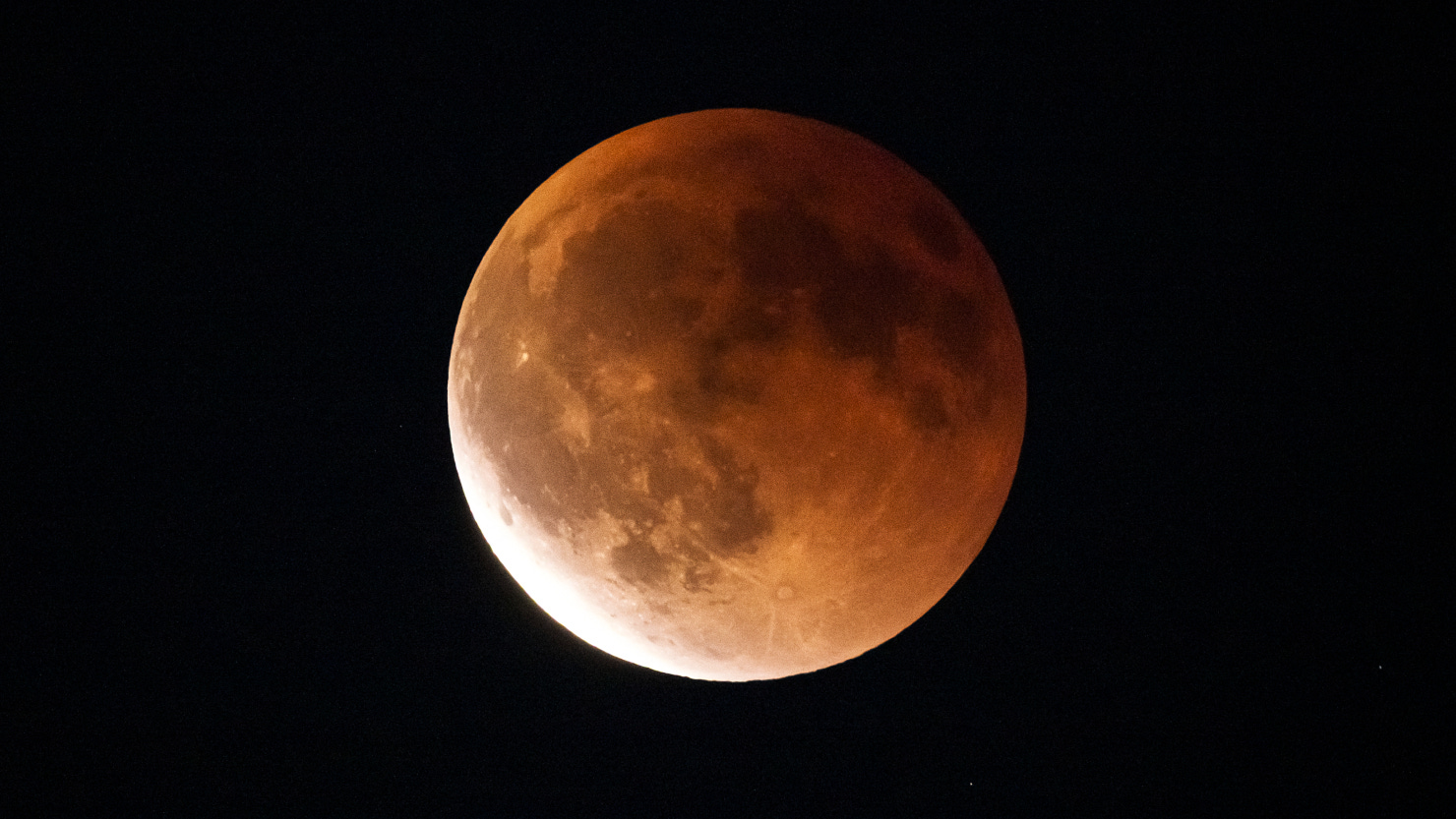
A total lunar eclipse, known as a "blood moon," occurred on September 7-8, visible across Asia, Africa, Europe, Australia, and parts of the Americas. The Moon’s reddish hue, caused by Earth’s atmosphere scattering sunlight, made this one of the longest total eclipses this decade.
Cygnus XL Debuts with Heavier Cargo Run to the ISS
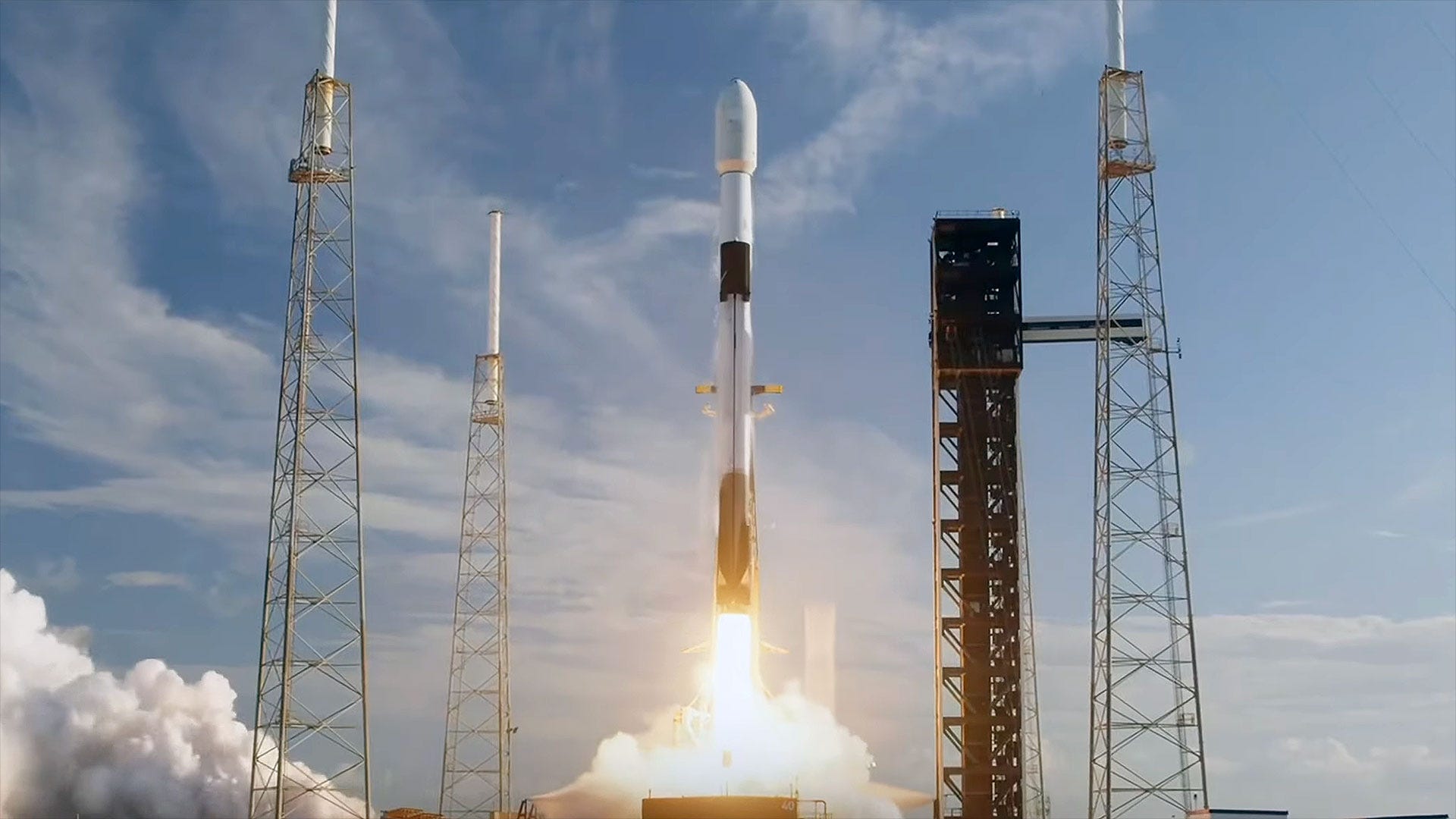
SpaceX successfully launched Northrop Grumman’s Cygnus NG-23 cargo mission to the International Space Station on September 14, marking the first flight of the new “Cygnus XL” variant. The upgraded spacecraft carries about 11,000 pounds of supplies, scientific experiments, and hardware, nearly 30% more than earlier Cygnus missions. Among the cargo are materials for semiconductor crystal growth in microgravity, equipment to improve cryogenic fuel tank performance, and a UV water purification system designed to reduce microbial growth aboard the station.
The capsule, named the S.S. William C. “Willie” McCool in honor of the late Space Shuttle Columbia astronaut, is scheduled to be captured by the station’s Canadarm2 on September 17. It will remain attached to the ISS until March 2026 before departing to burn up in Earth’s atmosphere.
James Webb Telescope Captures Star Birth in Pismis 24
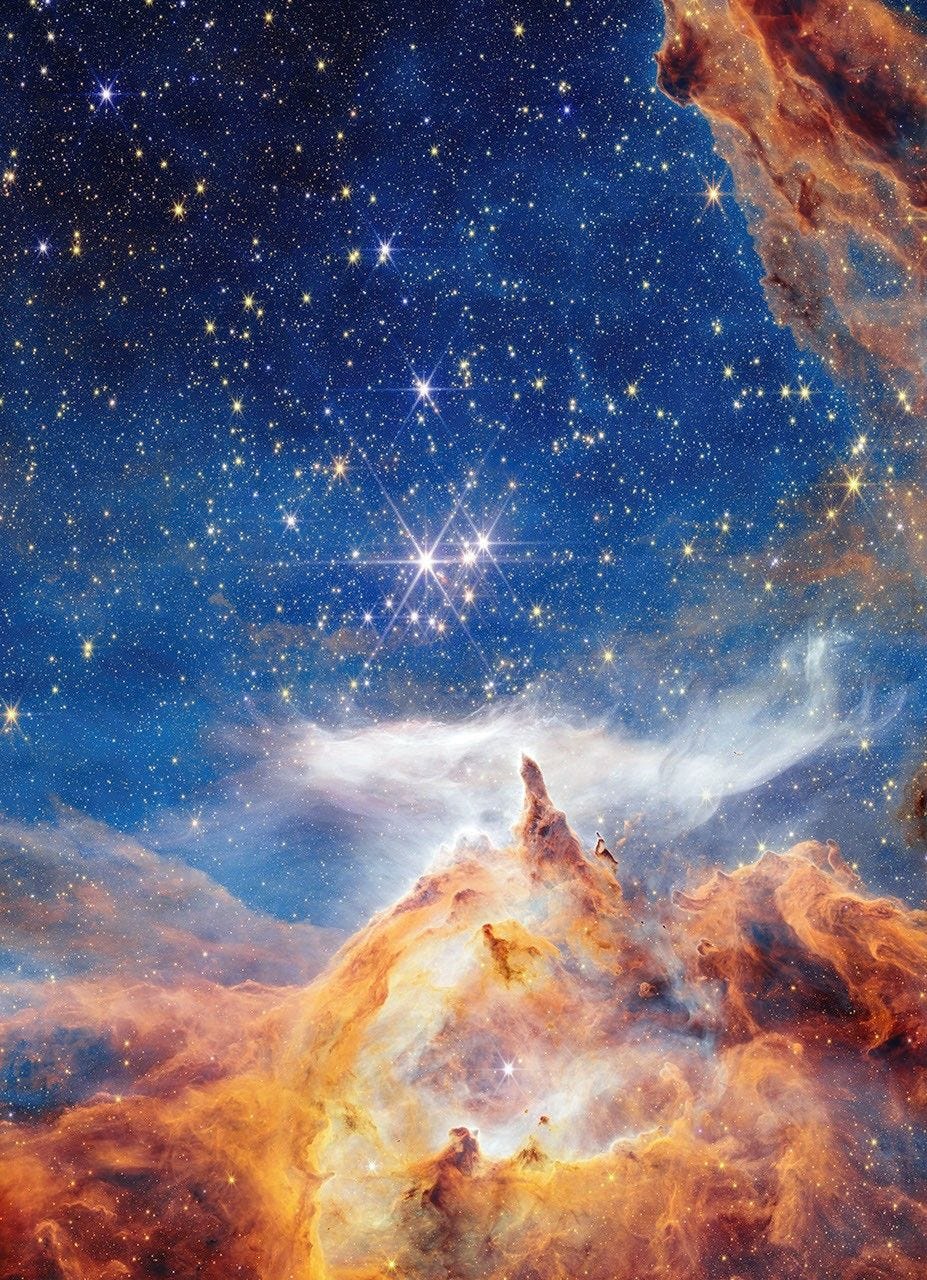
On September 4, NASA’s James Webb Space Telescope released an image of Pismis 24, a young star cluster in the Lobster Nebula, 5,500 light-years away in Scorpius. The image showcases star formation, offering insights into the early universe and stellar evolution, and highlights Webb’s advanced infrared capabilities.
SpaceX Acquires EchoStar Spectrum for Starlink Expansion
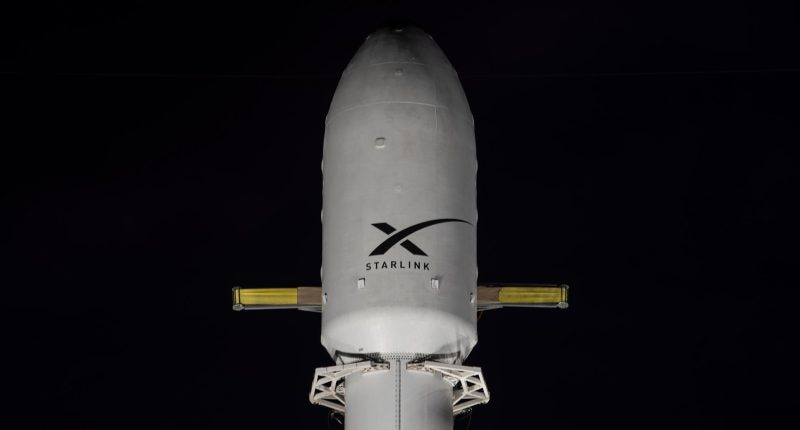
SpaceX finalized a $17 billion deal to acquire spectrum rights from EchoStar, announced this week, to expand Starlink’s direct-to-cell connectivity. This enables satellite-based mobile services without ground infrastructure, targeting remote areas and emergency response.
Quasi-Moon 2025 PN7 Discovered Near Earth
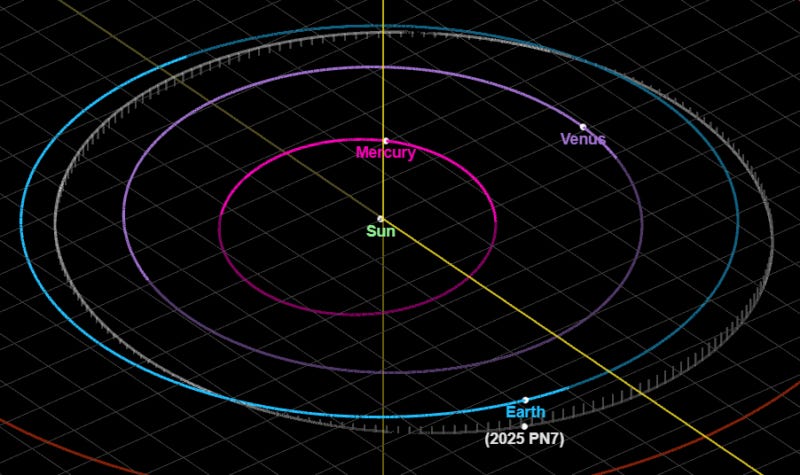
Astronomers identified 2025 PN7, a 19-meter asteroid acting as a quasi-moon, sharing Earth’s orbit for about 60 years due to solar gravitational influence. Expected to remain a companion for another 60 years, this discovery enhances our understanding of near-Earth objects and their dynamics. It’s not considered a true moon because it shares Earth’s orbit around the sun (in sync and appearing to loop around us), but it’s not bound by Earth’s gravity like the Moon.
NASA and NOAA Prep Solar Missions for Space Weather Insights
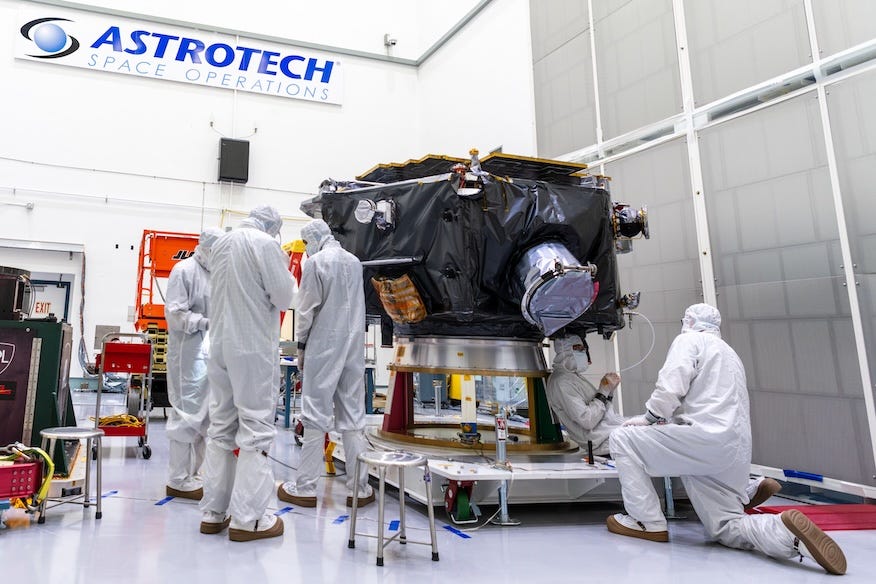
NASA and NOAA held a September 4 teleconference to discuss the Interstellar Mapping and Acceleration Probe (IMAP) and Carruthers Geocorona Observatory, set to launch on September 23 via Falcon 9. Positioned a million miles from Earth, these missions will map the heliosphere and study solar wind to improve space weather forecasts critical for satellites and infrastructure.
FAA Approves SpaceX for Increased Cape Canaveral Launches
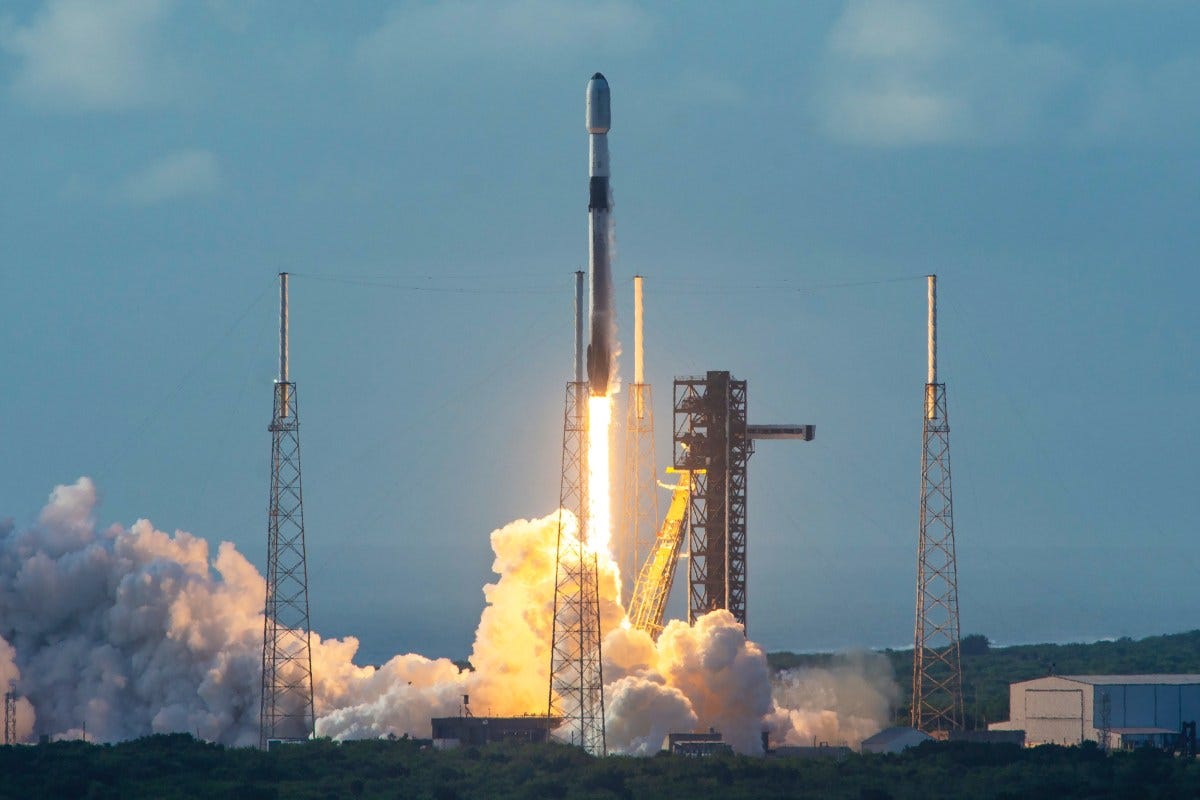
On September 9, the FAA granted SpaceX approval for up to 120 Falcon 9 launches annually from Cape Canaveral Space Force Station. This supports growing commercial and national security missions, including Starlink and military satellite deployments.
ZWO Astronomy Photographer of the Year 2025 Winners Announced
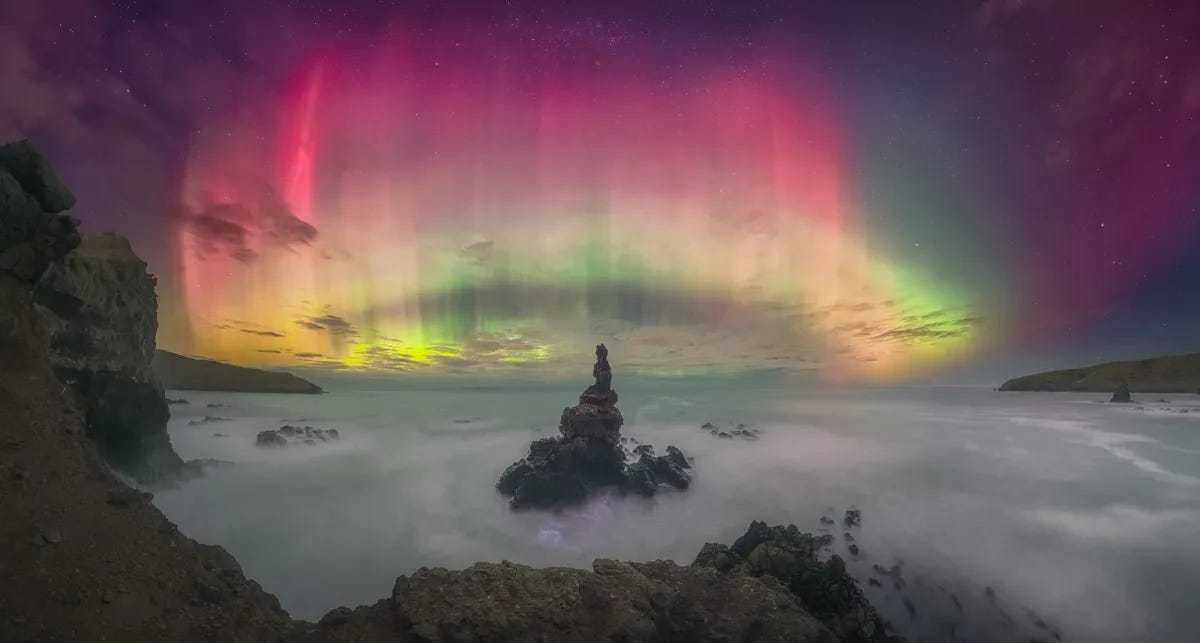
On September 12, the Royal Observatory Greenwich unveiled the 2025 ZWO Astronomy Photographer of the Year winners. Incredible images of auroras, galaxies, and lunar landscapes captured the universe’s beauty, inspiring public engagement with astronomy and showcasing advancements in astrophotography.
House Rejects NASA Budget Cuts in CJS Bill Markup
On September 10, the House Commerce, Justice, Science (CJS) subcommittee advanced its FY2026 bill, maintaining NASA’s funding at approximately $24.8 billion, rejecting proposed cuts. This ensures continued support for Artemis, ISS, and science programs, reinforcing U.S. leadership in space exploration.
Join the Crew
Space is advancing at warp speed. Stay informed with Space Weekly. Subscribe for next week’s briefing to keep up with launches, breakthroughs, and discoveries.